


If you are a solo traveller headed for Seoul in winter, you’re in the right spot. Because I want to share what I’ve learned from my own trips so you don’t make the same mistakes. And are fully prepared for the winter weather and can enjoy Seoul as much as possible.
Disclaimer: This post is sponsoredand contains affiliate links (marked with an asterisk *). If you buy/book anything after clicking on them, this doesn’t cost you anything extra but gives me a little commission from qualifying purchases to help keep uploading free travel tips for you on to this blog.

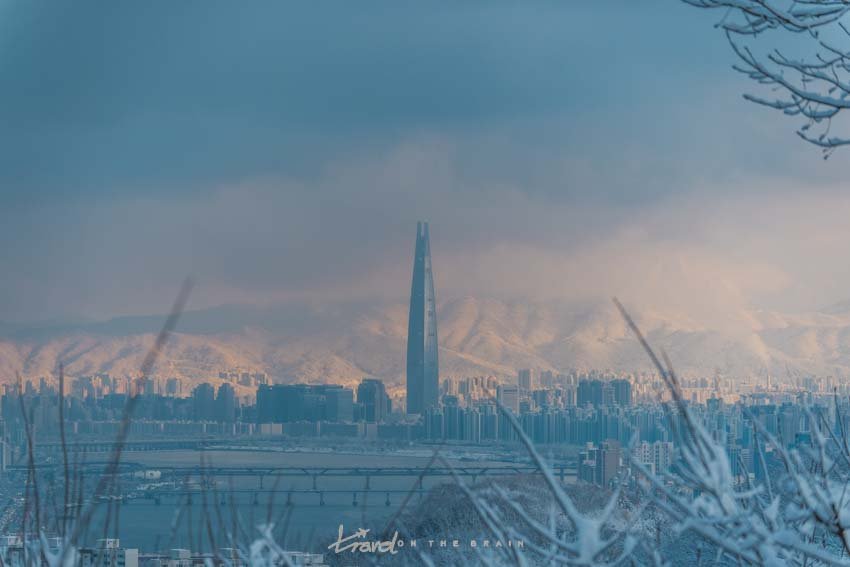
Weather in Wintery Seoul
First up: Definitely check the weather report. But be prepared for low temperatures either way. The wind can be quite biting, even if the temperatures don’t seem that bad. Here are average for a quick overview:
- December: 4 to -4°C
- January: 2 to 7°C
- February: 5 to -4°C
- Rain: 3 days per month
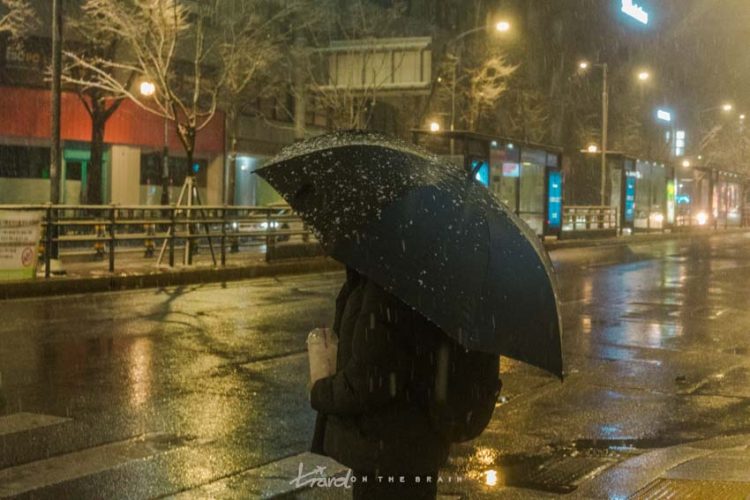
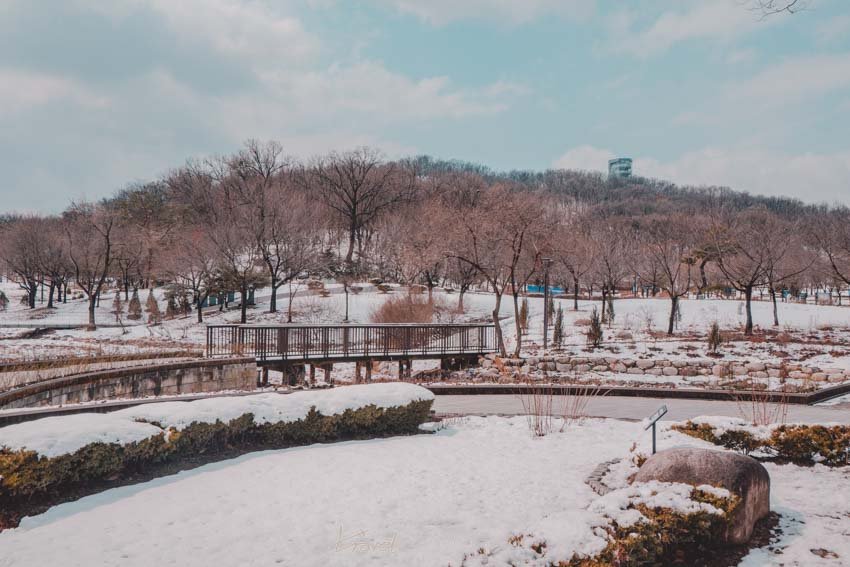
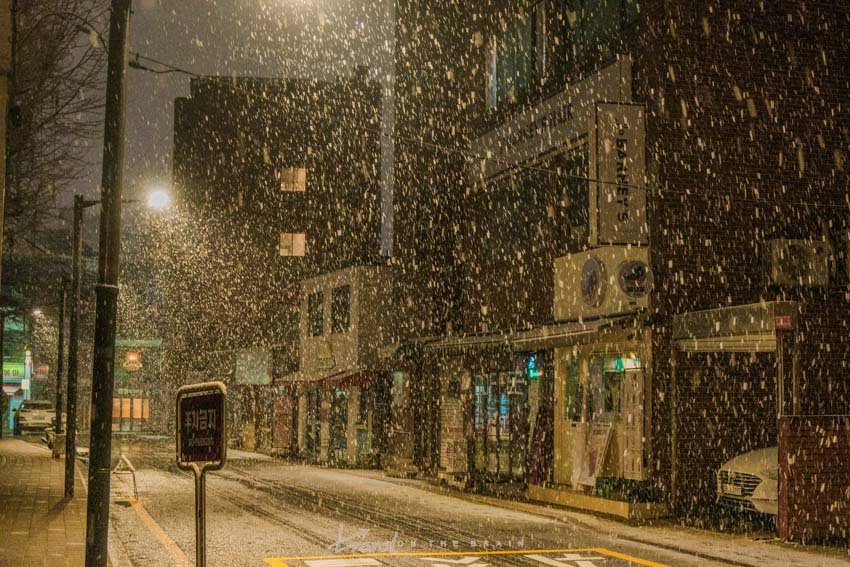
It doesn’t usually rain or snow often. But when it does, boy does it hit! Overnight, the entire city can be piling up snow masses easily. Which means that many touristy places in Seoul, such as palaces, temples and also mountain trails, are closed off.
If you’re really unlucky, you might catch a special freeze speel and temperatures fall way below freezing with as low as -15°C!
The good thing is: Generally, you can expect 3 really cold days, followed by four milder days. Knowing this, you can adjust your plans accordingly once you’re there. For really cold days, opt for museum or mall shopping days. There are plenty of huge department stores or underground shopping places, for instance.
For up-to-date assessments of the weather and air pollution, check the Korean Meteorological Administration website.
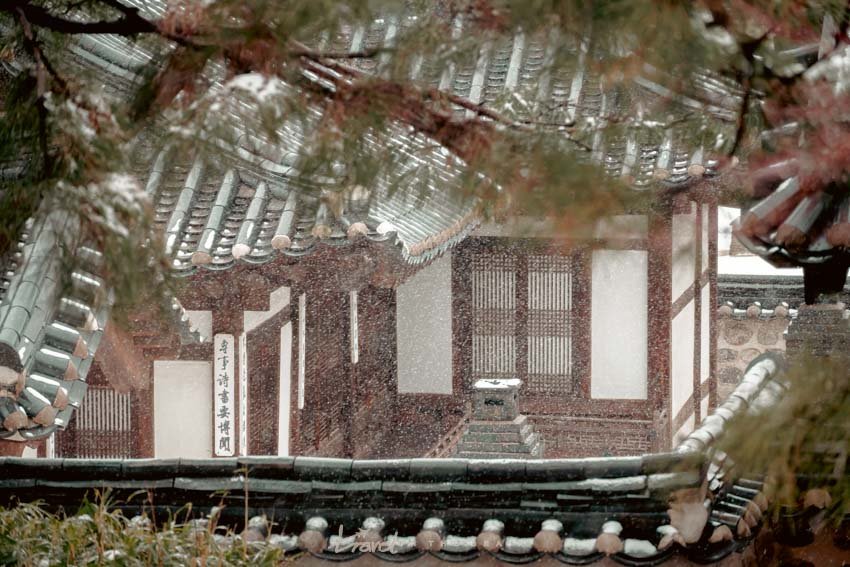
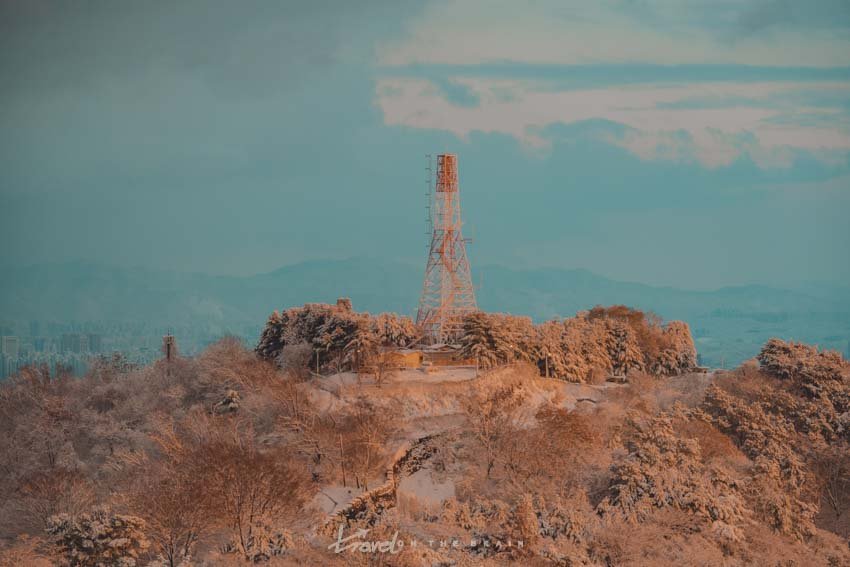
Side note: The city is quick to remove snow from trees and roofs. So, if you want those dreamy snow-capped photos, you have to get up early!
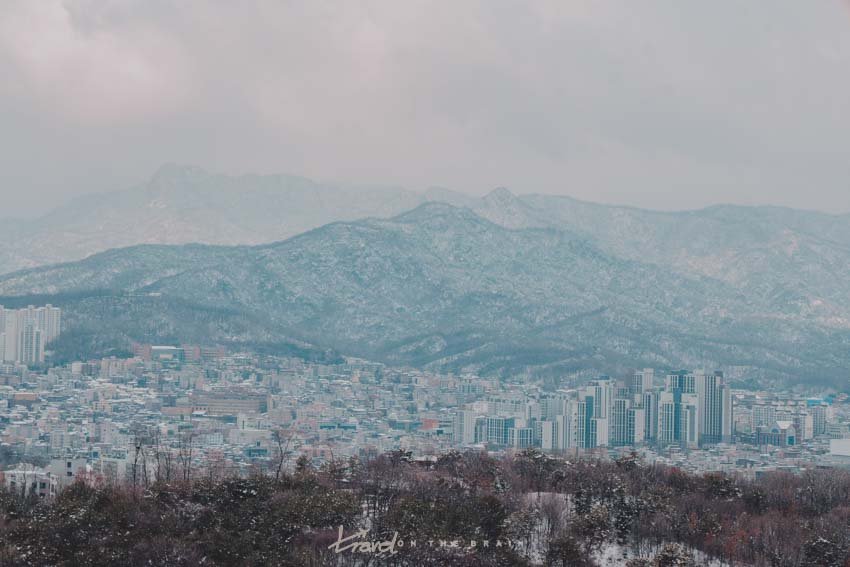
Mask up!
The air is really dry with Siberian high-pressure. If you can, covering your mouth is a smart idea. Wearing a mask especially on public transport is smart to avoid catching any bugs (or spreading any if you caught a cold). And yes, even way before COVID. It’s just common courtesy.
Plus, the air isn’t great quality. Check the air pollution daily! If it gets in orange or red territory, you are generally advised to wear a mask when outside to avoid filling your lungs with fine dust.
Thermal Wear
I freeze super easily, winter isn’t generally a good time for me as I like to just be huddled up and not move. (I know, not the best course of action.) I layer clothes (and hate the feel of that) but actually investing into good thermal wear was SUCH a game changer for me.
If you forgot yours, Daiso has thermal long sleeves and pants. But they are sold out pretty immediately when it gets cold. Even if Daiso is literally on every street corner. So better bring your own. Or get better clothing (because they use polyester with scratchy tags) from fashion brands.
My go-to is UNIQLO with their heatech products. Honestly, so worth it! They are super thin, giving you more space to move even with layers, with the sleeves and neck line shorter than with regular tops (in different styles). It’s easy to combine with clothes. They come in beige and black colours.
Good to know: UNIQLO in South Korea is cheaper than in Europe or the Americas. Which means you could buy onsite, but definitely on the first day of your trip! You’ll need it.
If you want more brands for full thermal wear top and bottom outfits, click through here*.
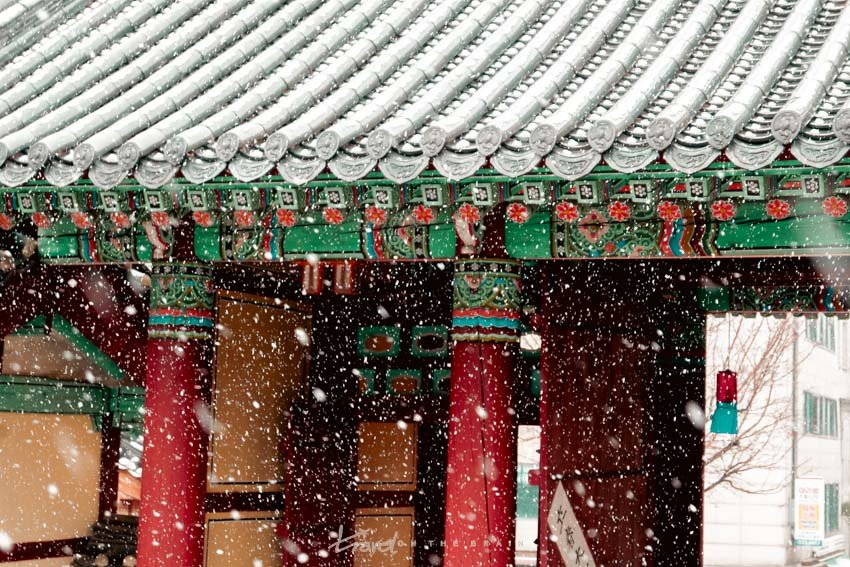
Scarves & Gloves
Cover your neck (and face), protect your hands. I cannot stress enough how biting the wind is. And it dehydrates super quickly. Your hands will be sore and cracking if you go without gloves. An exposed neck can easily make you catch a sore throat. I don’t recommend that experience.
Smart saving tip: If you don’t want to break the bank on investing in warmer clothes in addition to your trip, use a comparison sites like Capital One Shopping. They list the prices for the same items from different locations and you can pick the cheapest one, such as for these thermal gloves* with touch screen tips.
Warm Outerwear
This one should be obvious. But you need a REALLY warm coat. Not a jacket. An actual coat. As long as possible. And make it wind proof and water-resistant. Your best bet is a long down or padded coat. There are cute ones out there, too, like these*!
There is a reason, Seoulites walk around with these puffy floor-length jackets. (Even though they still wear summer slippers, which I will never understand. How are their toes not frozen off or soggy?!)
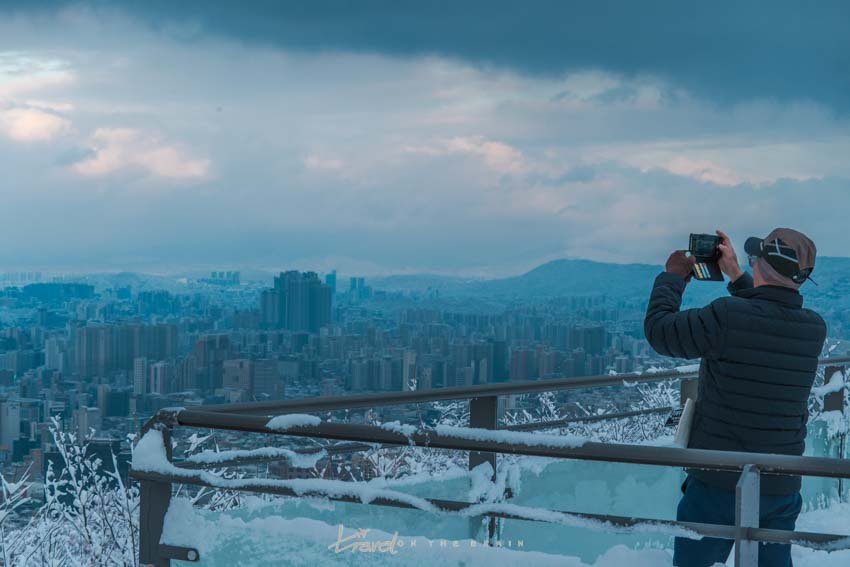
Head Coverage
I’m a hat person any time of year. But in Seoul’s winter, it is absolutely essential. The wind – I cannot stress this enough – is brutal. Your ears will be in pain! (Especially all my fellow neurodivergent folk will relate.)
And the wind might want to carry off an actual hat. Sadly. My recommendation: Wear a beanie. Made from wool (not acrylic) preferably, like this one*.
I know, lots of Seoulites also wear giant sweaters with hoodies. There’s a reason, other than that they can make it look effortlessly cool for some reason. (I personally can’t pull it off and am always a little envious.)
A baseball cap looks cool, but it won’t do the trick. Cover all of your ears.
Sweaters and Hoodies
Even with long sleeve thermal underwear, regular long sleeves are just way too cold most days. Sweaters really are the way to go. I know, they take a lot of space and weight in your suitcase. You will regret it, if you skimp on them, however.
I recently fell in love with the colourful designs of the Oxknit brand*. Seoulites don’t really dress in much colour, but doesn’t matter under a coat, does it?
You could try layering with long sleeves and hoodies over them. But at the very least, you need two sweaters.
Warm legs
If you want to wear skirts, treat yourself to thermal, fleece-lined tights*. Layering regular tights is not working at all. You need the warmest tights there are. Or winter leggings.
Pants are the best option. Jeans can get quite cold and the ground is often wet. Which might mean that your jeans, especially if it’s one of the super long and wide kind, will soak up slowly. That’s incredibly uncomfortable and cold.
Winter trousers are genuinely a good idea. My tip is to look for winter hiking pants, which give you room for movement and flexibility for when you want to be out and about a lot. You don’t have to be a hiker for them to be practical.
Wool Socks
The concrete is giving off so much cold! Protect your feet and wear proper winter shoes. I know you see many people walking in the most non-sensible shoe wear in Seoul. I don’t recommend copying them. They are built different.
I had winter boots with wool insole and wool socks. And I still froze.
Better opt for extra thick merino socks* next time.
Make sure that your shoes are waterproof. At the very least, spray them with lotus effect spray before your trip. And check if there are any gaps in the stiching.
Keeping your feet warm and dry is key to not falling sick immediately.

Winter Skincare
Korea is known for its amazing skin care products. And you can find lots in stores, with special deals, pop up stores, etc. Definitely worth checking out.
However, if you already have your established products, you might not want to irritate your skin with brand new products. The change in air and tap water will already do some damage. It’s best to bring travel size products or fills into travel bottles of your tried-and-tested products.
But keep in mind that you need something to really add intensive moisture and lock it in with a protective layer. Regular face lotion isn’t cutting it.
Lip balm is another essential. Your lips will dry out super quickly. You might have to apply it every time you go outside. This means: avoid anything that is water based. Check for oil and fat-based options. I like Burt’s Bees*.
Thermal flask
There are multiple coffee-to-go stores on every street. You can get hot beverages all the time. And it’s getting more and more common that you can get your fill in your own bottle/flask. This is great because the waste from all the takeaways is seriously crazy and sadly normal.
Aside from the environmentally conscious reason, a thermal flask keeps your drink hot longer and is easier to carry. You shouldn’t eat or drink on public transport. Your own bottle* can help put it away for later.
If you just want drinkable tap water, there are also water fountains in malls and museums, so you can get a refill there instead of buying water in stores.
Sunscreen
Yes, Koreans are VERY concerned about UV rays and sun damage on skin. They wear sunscreen every day of the year, even when indoors. The sun is rather strong here. Plus, cloudy skies traps the UV rays and snow reflects them back. Even if there is no sun visible above, it can still hit your skin. (Hence, the daylight.)
Korean sunscreen is built different. And feels so much better, honestly. I love it so much more than any sunscreen I’ve had before, even if it’s more expensive. I’m a fan of Skin1004 sunscreen*.
Alternatively, you can buy sun protective gear like gloves, neck and mouth covers.
Travel Essentials
Regardless of season or country, I always advise travellers to carry essentials with them. Save emergency numbers, hotel address and contacts in your phone. And maybe store them in your wallet. You never know. We cannot just rely on digital devices alone.
This includes a universal travel adapter* (or two) so you can actually plug in your devices.
Carrying a small portable charger* and cable with you to keep your mobile phone juiced up, is smart. You can charge on buses and in bigger metro stations like DDP if you bring your charging cable (with a USB end).
Note: You cannot store your charger in your luggage when you travel by plane. It should go in your hand luggage to avoid overheating and explosions. Yes, that happened.
A small travel first aid kit with your preferred pain relief medication for headaches, motion sickness, etc and bandaids is a smart idea.
If you bring your own medication for your chronic illness, double check with a doctor, your embassy and the website of the South Korean Ministry of Food and Drug Safety for what is allowed and not allowed.
ADHD medication, for instance, is quite tricky to get approved upfront because it is deemed a controlled substance.
Vaccinations might also be recommended. Especially for tick-borne encephalitis.
Apps
This might be traditional packing, but definitely load helpful apps onto your phone in advance.
The official Visit Korea tourism app for help and complaints (such as taxi scams) is 1330 Korea Travel Hotline. You can call them directly, or use the app or website.
You cannot rely on Google Maps. They don’t have that much coverage and accuracy. Koreans have their own, which is called Naver Maps. And it’s so much better! It shows lots of info, reviews, photos and overviews with pictures of menus. Super helpful!
And the way it shows exactly where to stand and change on metro trains to get the best connection is so good.
To be able to translate Korean, use the Papago app. It needs internet and cannot be used offline, however.
Which generally means that getting an e-sim is super smart. There is official city wifi on squares, buses, at bus and metro stations and in department stores. But if you want to explore a little, it’s not as easy. I definitely relied on my e-sim a good amount.
Locals don’t use social media all that much. Only Instagram and KakaoTalk are the standard. But I’ve heard that Kakao is also getting outdated and there’s a new thing in town. But that’s really only for connecting with the local community, not really for tourists or those not speaking Korean.
Here’s an overview of other helpful apps.
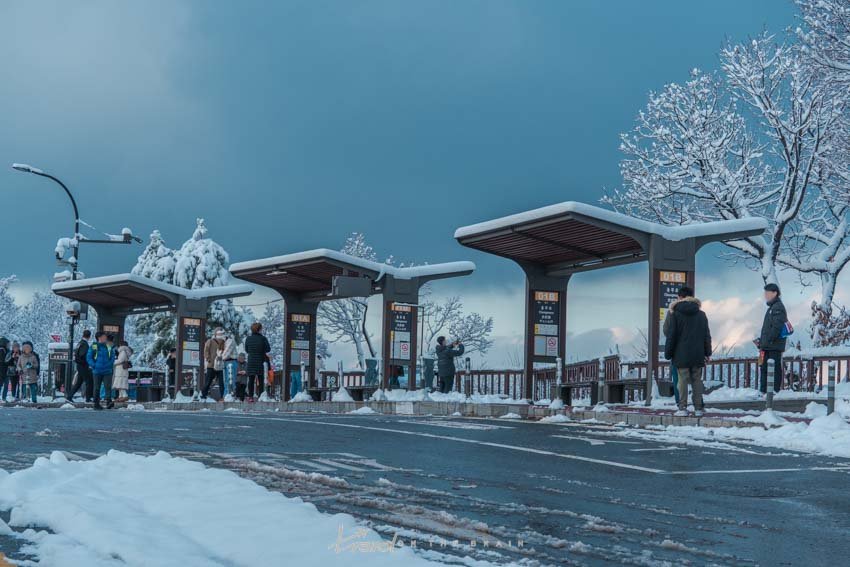
Good to know: Bus stops have heated seats and some even heated cubicles. So you can always seek refuge there when walking around.
What to Buy on Location
Seoul is the best place to buy anything you might have forgotten. There are sooooo many places for shopping for all kinds of budgets. And even in the middle of the night! (Check out my guide on shopping in Dongdaemun for starters.)
There are also smaller markets to get gadgets and gears. Even vintage stuff. You can find absolutely anything here. You just need to know where to look.
Your hotel reception or the many tourist info hubs can guide you. (I mean the official Visit Korea ones. Not the tour company ones that label themselves tourist information).
Ear protection
If you didn’t listen to me and realise I was right after all, you can still get ear covers in Daiso stores, for instance. There are little clip-on patches that you can wrap your ears in. And yes, beanies too. But not the very warm or comfy ones.
Heat Packs
These ones are a must! I am not joking: wear them in your gloves. In your shoes. On your body.
They can be bought pretty much everywhere and come with a sticky underside. With that, you can attach it to your clothes (avoid direct skin contact on your torso because you cannot shift it around easily and it gets quite hot). Or fold it and hold it.
Many of them are activated by oxygen. Don’t open the package if you don’t want to use them. They usually last up to 5 hours. If you want to stop using them and keep them for later. Put them in a sealable and air tight bag. They usually cannot be reheated.
Cute Stuff
Yes, I’ll keep this generic because there is an overwhelming amount of the cutest and most fashionable stuff to get in Seoul. And that also looks different for everyone, it’s subjective. So leave space in your suitcase. I am telling you. You will buy too much. So don’t pack your bags full. You’re welcome.